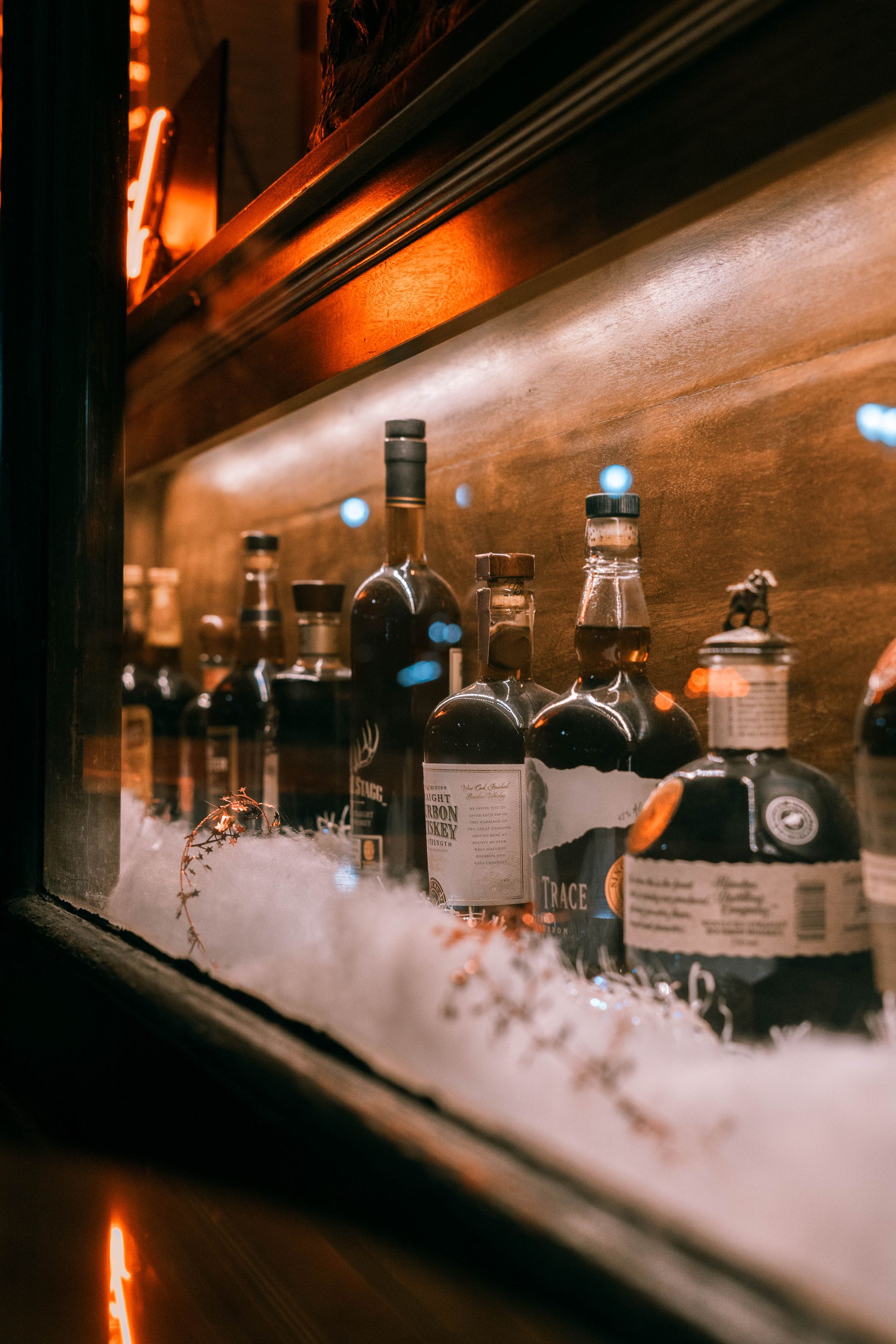
Every fall, the same ritual unfolds. Buffalo Trace announces the annual release of Pappy Van Winkle — a few thousand bottles across three expressions, distributed to a nation of millions of bourbon enthusiasts. Retail price for a bottle of Pappy 23: roughly $300. Secondary market price: $3,500–$4,500. A 12x markup. For whiskey.
This isn't a pricing anomaly. It's the predictable outcome of a system designed — accidentally, then deliberately — to create exactly this dynamic. Understanding the Pappy phenomenon explains the entire allocated bourbon market.
First, the part that's not manufactured: Pappy Van Winkle 23-Year-Old genuinely requires 23 years to make. You can't accelerate time. The whiskey in today's bottles was distilled in the early 2000s, when Buffalo Trace (then operating as the George T. Stagg Distillery) was producing at a fraction of current volumes.
The Van Winkle family contracts with Buffalo Trace for a set allocation of barrels each year. That allocation was negotiated years ago, based on production levels and relationships, not current demand. The result: supply is essentially fixed in the short term, growing only as fast as 23-year-old planning cycles allow — which is to say, very slowly.
Annual Pappy production across all expressions (10, 12, 15, 20, 23 year, plus the Rye): estimated 7,000–10,000 bottles of the 23-year; 25,000–35,000 bottles total across the range. For context, Buffalo Trace produces millions of cases of its standard bourbon annually. Pappy is a rounding error in their output — and the most famous whiskey in America.
Real scarcity explains a premium. It doesn't explain 12x. The rest is cultural:
The Anthony Bourdain effect. When Bourdain called Pappy "the best bourbon in the world" (or words to that effect) in the early 2010s, he detonated a demand bomb. Suddenly, people who'd never tasted premium bourbon wanted the trophy bottle. Demand went from thousands of enthusiasts to millions of aspirants overnight.
Social media trophy culture. Pappy became the ultimate whiskey flex — the bottle you photograph, not necessarily the bottle you drink. Unopened Pappy bottles displayed in home bars are Veblen goods in pure form: valued partly because they're expensive and hard to get.
The lottery system. Most states allocate Pappy through lotteries or retailer relationships. This gamification intensifies desire — behavioral economics 101. The harder something is to get, the more people want it. Buffalo Trace understands this perfectly.
Flippers and the secondary market. A meaningful percentage of each year's allocation goes directly to resale. When a $300 bottle reliably sells for $3,500, the incentive to flip is overwhelming. This removes bottles from the drinking supply and inflates secondary prices further — a self-reinforcing cycle.
Here's what bourbon people whisper but rarely say publicly: in blind tastings, Pappy frequently doesn't win.
Multiple blind tasting panels — including ones conducted by Whisky Advocate and various enthusiast groups — have found that tasters often prefer Weller 12 Year (same mash bill, same distillery, ~$40 retail when you can find it) or even Elijah Craig Barrel Proof (~$70) over Pappy 20 or 23. The older Pappy expressions can taste over-oaked — 23 years in new charred oak is a long time, and not every barrel handles it gracefully.
What you're paying for with Pappy isn't just the liquid. It's the story, the scarcity, the status, and the experience of drinking something rare. Those are real sources of value — just not the ones printed on the tasting notes.
"Pappy Van Winkle is the best marketing case study in spirits history. Buffalo Trace turned a supply constraint into the most powerful luxury brand in American whiskey — without spending a dollar on advertising. Scarcity did all the work."
Pappy is the extreme, but the dynamic applies across allocated bourbon:
The pattern: Buffalo Trace dominates allocated bourbon because they mastered the formula — limited supply, no marketing, let scarcity and enthusiast culture do the work. Other distilleries (Heaven Hill's Parker Beam Heritage, Wild Turkey's Master's Keep) play the same game with varying success.
The bull case: supply can't scale quickly (23-year production cycles), demand keeps growing (bourbon's global expansion), and the cultural cachet is self-reinforcing. Pappy at 12x retail could look cheap in a decade.
The bear case: tastes change. The current generation of collectors grew up idolizing Pappy. The next generation might not. We've seen this movie before — the wine market's Bordeaux obsession cooled, Scotch had its own hype cycles. Nothing appreciates forever.
The likely reality: top-tier allocated bourbon remains valuable but the explosive growth phase is over. The 2020–2022 frenzy (when Pappy 23 touched $5,000+) has cooled to a more sustainable premium. Future appreciation will be steadier, driven by genuine scarcity rather than speculative mania.
Pappy Van Winkle's 12x markup isn't irrational — it's the rational price of genuine scarcity meeting manufactured desire in a market with no efficient price discovery. Whether it's "worth it" depends on what you're buying: if you're buying whiskey, probably not. If you're buying the experience of drinking a legend, the status of owning the unobtainable, and an asset that's likely to hold value — the math looks different. Just know which one you're paying for.
Fixed price. Clean transfer through Escrow.com. Confidential inquiry.
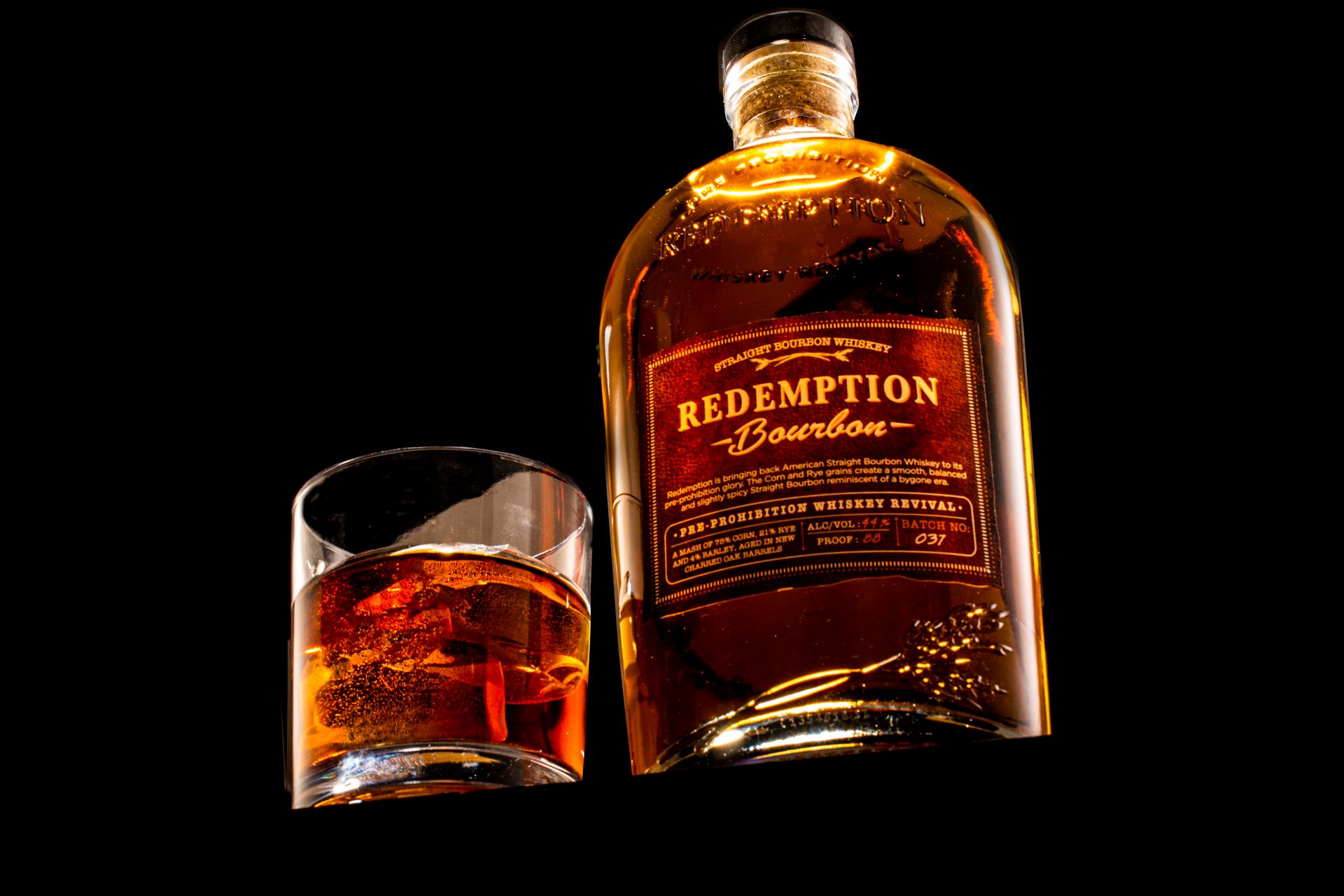
Macallan, Pappy, Yamazaki, and Karuizawa keep climbing — but the 2021–22 boom left a correction zone. Auction data on what rare whiskey is actually worth in 2026.
Read →
Bottles offer liquidity and enjoyment; casks offer higher ceilings and the angel’s share. The honest comparison of returns, risks, costs — and the scam red flags.
Read →